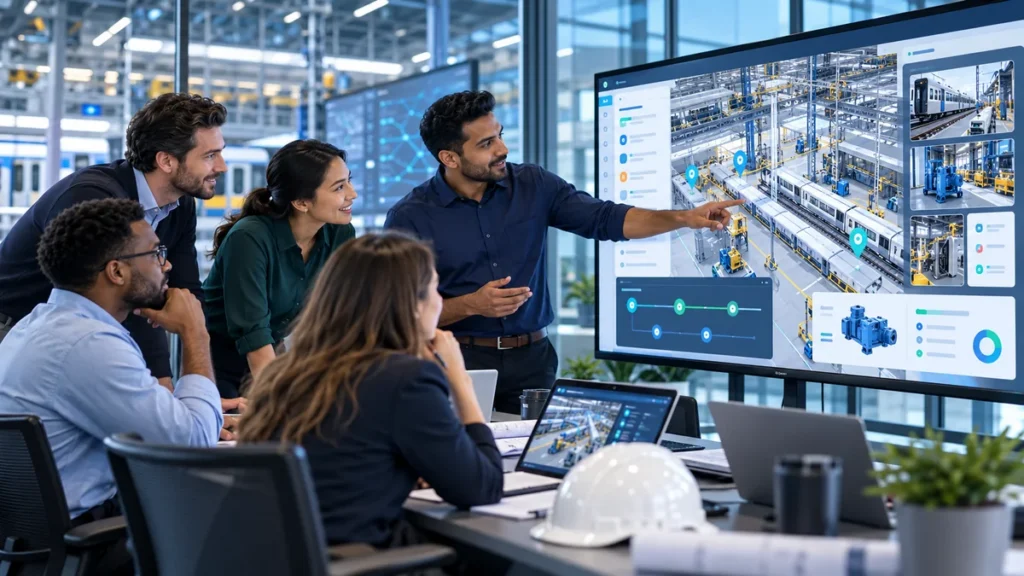
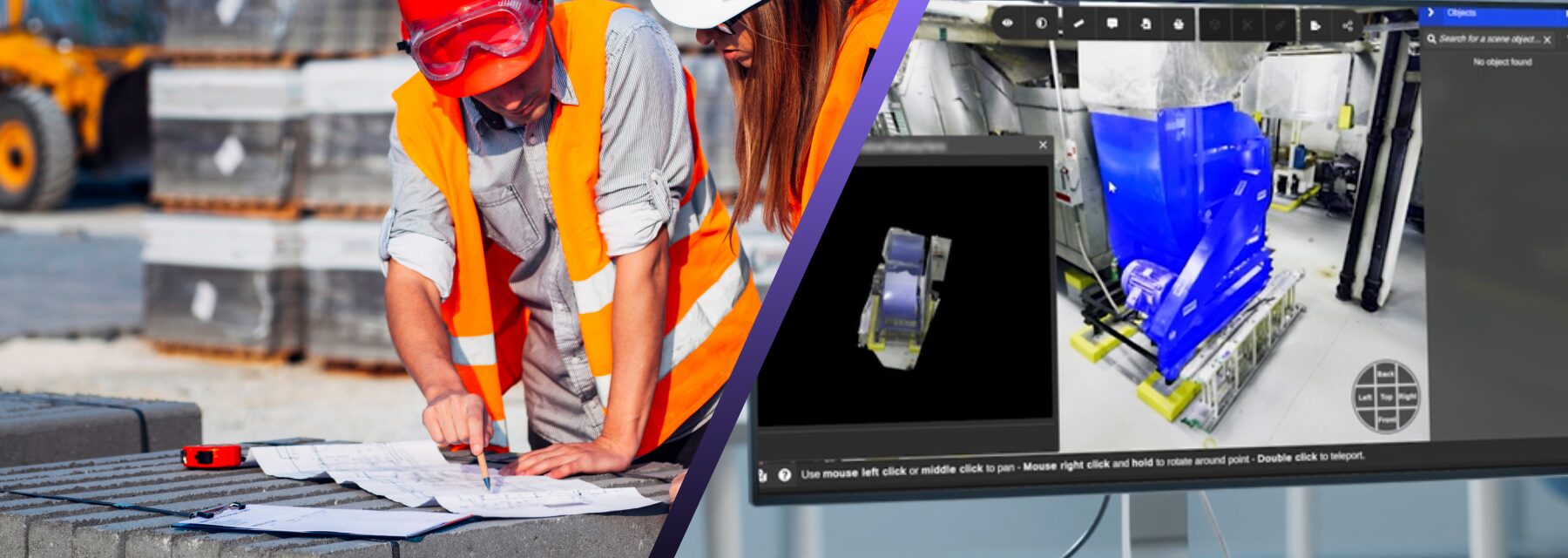
7 Digital Twin Collaboration Issues in Construction: The problems every engineering and design lead has sat through the same meeting: three teams, three versions of “the model,” and a conversation that spends more time reconciling data than making decisions.
Digital twin collaboration in construction is supposed to eliminate that. Too often, it just moves the friction somewhere else. The causes are consistent across industrial CAPEX projects, oil & gas facility work, food & beverage manufacturing plants, and traditional construction sites alike.
1. Fragmented Data Across Formats and Tools
Every discipline produces accurate work in isolation. Nothing lines up once it’s time to bring it together:
- Architecture teams work in Revit
- MES consultants use their own authoring tools
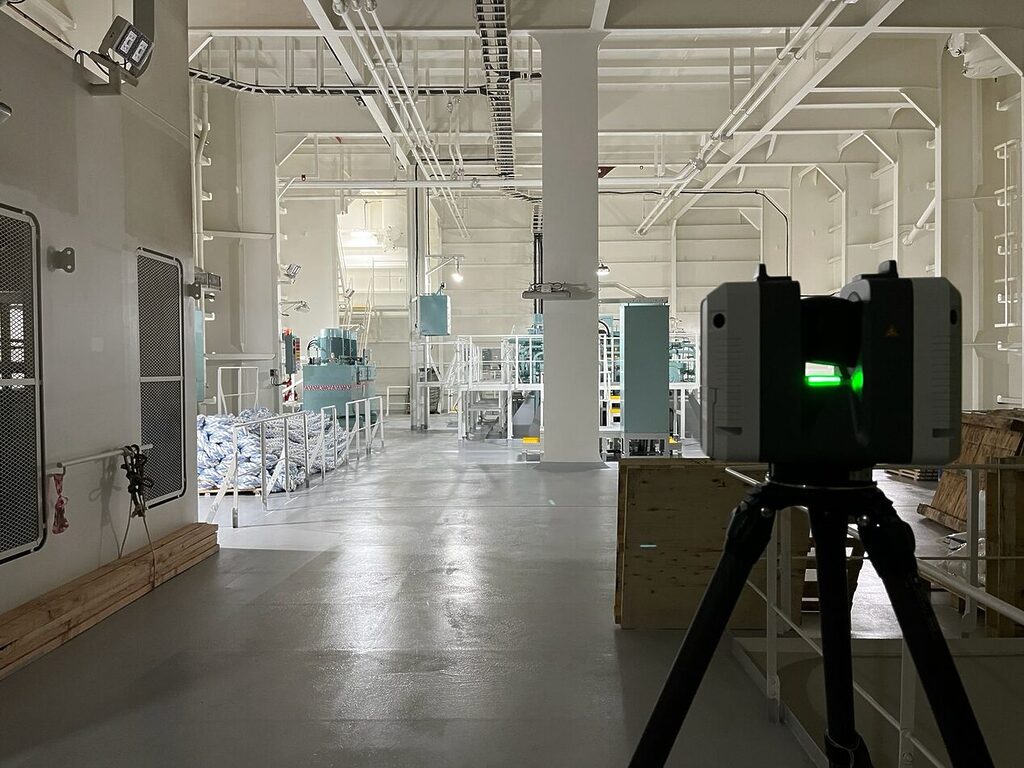
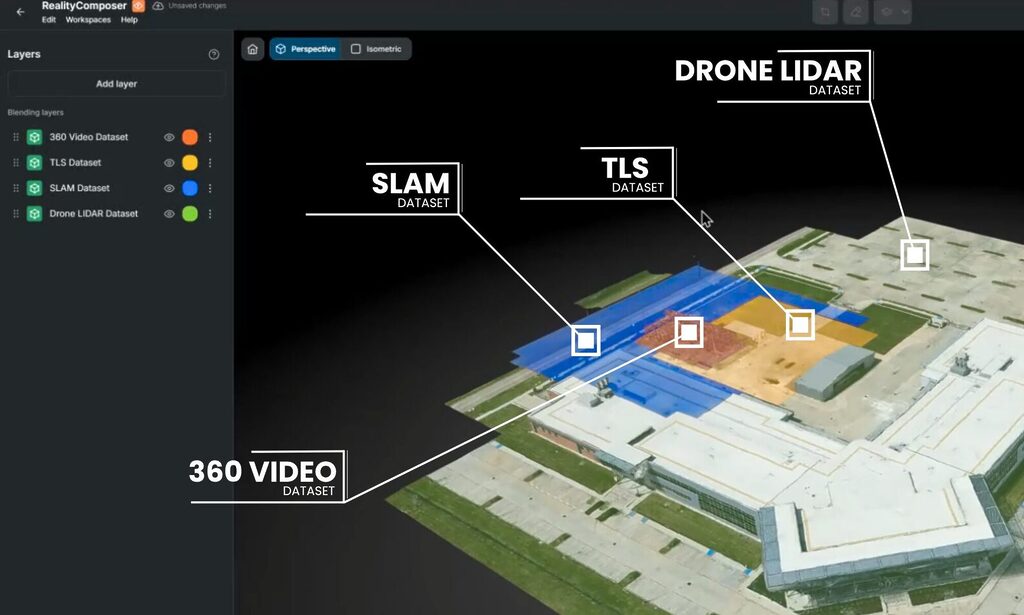
- Reality capture arrives as raw point clouds
- Field photos and 360 walkthroughs sit in a folder no one remembers to check
The result: teams spend coordination meetings reconciling formats instead of reviewing design intent — the root of most interoperability issues in construction technology.
Standardizing on open exchange formats like INC and BCF early, and routing reality capture data directly into Revit before it fans out across authoring tools, closes most of this gap before it starts.
2. Site Documentation That No Longer Matches Reality
As-built drawings often go stale fast, especially in industrial settings:
- Equipment gets relocated without an update
- Piping gets rerouted mid-project
- Shutdowns happen with no corresponding drawing change
Élémentaire Consultants, an engineering firm handling industrial CAPEX projects, described this directly before changing their workflow:
“incomplete or outdated site documentation… often led to uncertainties during design and planning phases… [and] sometimes resulted in rework, site visits, and delays when validating conditions.”
The result: engineers return to site to verify conditions that should have been captured the first time, driving up rework costs that were entirely avoidable.
Re-scanning key areas before major design phases, and giving engineers direct access to the underlying point cloud instead of a static drawing, removes the guesswork.
3. No Single Source of Truth
When project data lives across shared drives, email threads, and disconnected platforms, every stakeholder is quietly working from their own version of the project:
- One team references last week’s export
- Another works from a markup no one else has seen
- The client reviews a PDF that’s already outdated
The result: coordination meetings turn into version-reconciliation exercises, and that’s where trust between engineering teams, contractors, and clients starts to erode.
After centralizing their workflow, Élémentaire put it simply:
“Prevu3D has significantly enhanced collaboration by providing a single, accessible source of truth for all stakeholders… [it] has improved communication, reduced misunderstandings, and accelerated the overall decision-making process.”
Their team now uses this approach on projects for clients including Labatt, Olymel, and Agropur, working from one RealityPlatform™ environment that updates for everyone at once.
4. Clash Detection Happening Too Late
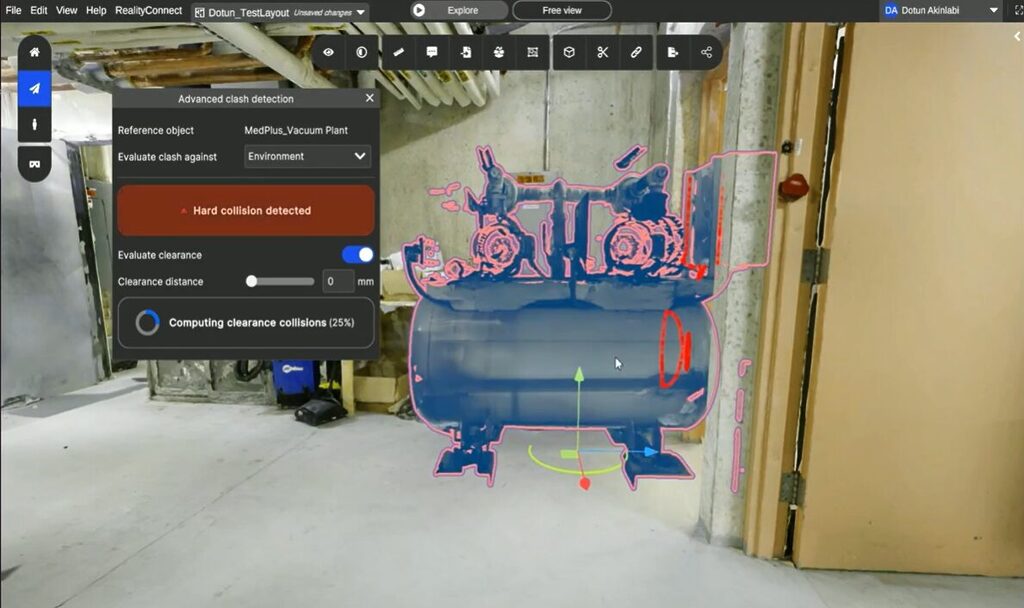
BIM coordination exists to catch conflicts between structural, architectural, and MES systems before they become expensive problems in the field. Too often, it’s treated as a late-stage checkpoint instead of a continuous process:
- Trades have already mobilized before a clash surfaces
- Fixes cost far more in the field than they would have on paper
- Schedule slips ripple across every downstream trade
The result: change orders that could have been caught at the design table.
Running clash detection early, and directly against captured site conditions rather than assumptions, changes the economics entirely. Navisworks is built for this, but it’s only as good as the data behind it — pairing it with faster, scan-based back-modeling in Revit catches clashes against as-built reality, not just against other disciplines’ models.
5. Inconsistent Access Across Stakeholders
Digital twins involve more people than the internal design team:
- General contractors need site conditions
- Subcontractors need coordination context
- Clients and third-party consultants need visibility without full editing rights
When access is managed ad hoc — one-off exports, emailed screenshots — external partners end up working from stale information, and internal teams lose track of who’s actually seen what.
The result: for client-facing engineering firms, this is often where confidence in the whole process starts to slip.
Structured, permission-based sharing solves this cleanly: full access for engineers, view-and-comment access for clients, all from the same RealityTwin™ environment.
6. Tools Built for Specialists, Used by Everyone
BIM coordination platforms are powerful, but they assume training most stakeholders don’t have:
- A project manager needs to check current conditions, not author a model
- A client needs to review, not learn a desktop tool
- Both fall back to PDFs and screenshots the moment the “real” tool gets in the way
The result: the single source of truth quietly becomes optional the moment it’s inconvenient.
A browser-ready digital twin, separate from the specialist authoring tools, keeps non-technical stakeholders actually engaged instead of opted out.
7. Discussion That Happens Somewhere Else
Even with a shared model, conversation about it often lives elsewhere:
- An email thread references “the issue near the north stairwell”
- A meeting note captures a decision with no link back to the model
- A chat message gets buried before anyone acts on it
The result: feedback gets lost, context gets stripped out, and the same question gets asked twice.
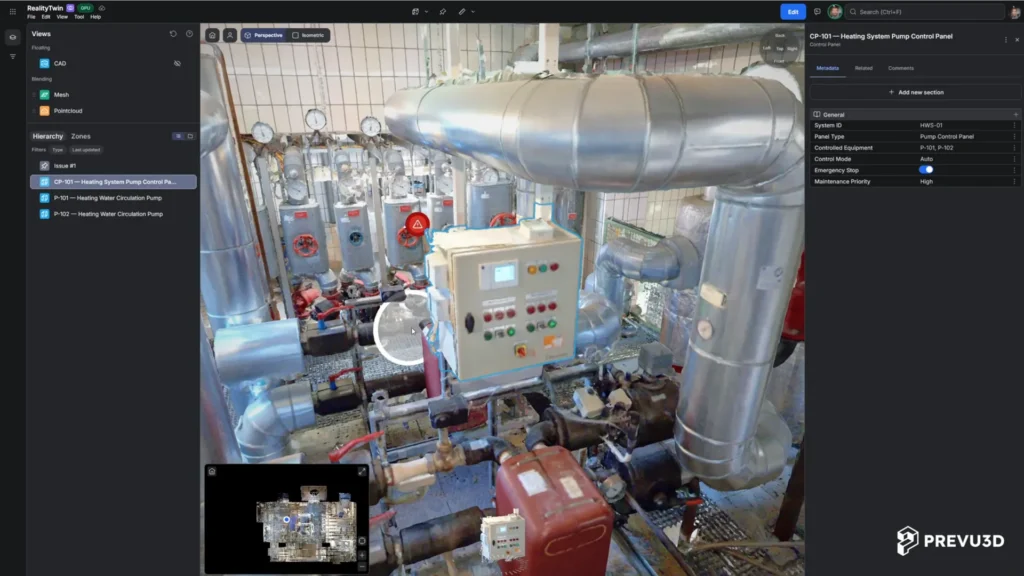
Keeping markups, annotations, and issue tracking attached directly to the model, at the exact point they reference, removes that translation gap.
What This Comes Down To
Every item above traces back to the same root problem: data, documentation, and discussion living in too many disconnected places. The fix isn’t more construction technology stacked on top — it’s fewer gaps between the tools a team already relies on.
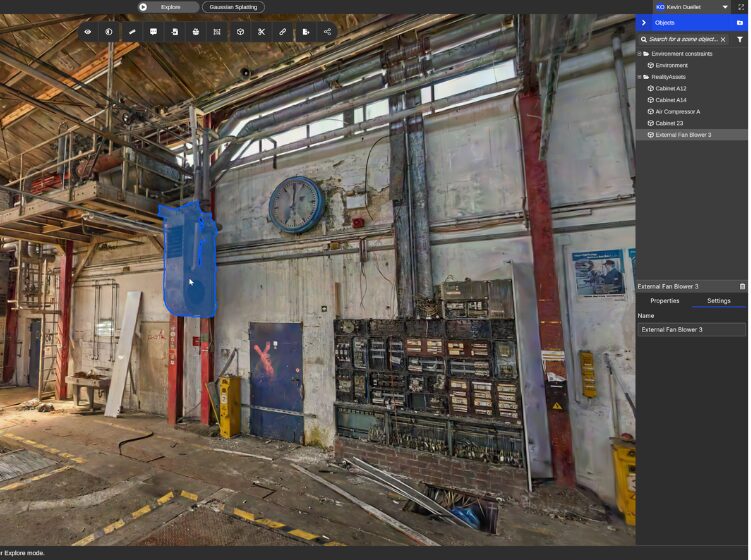
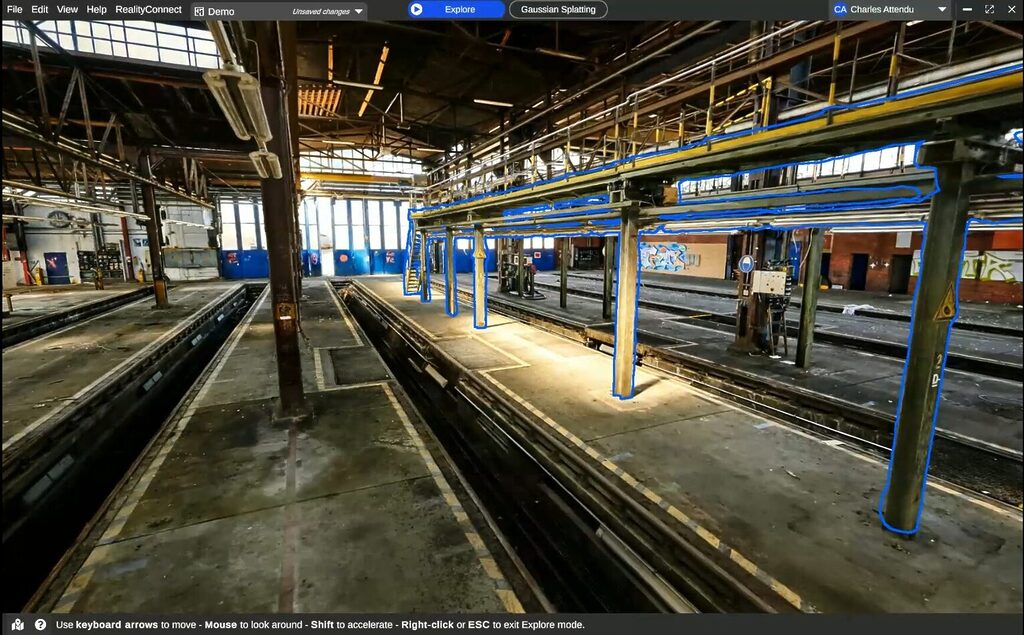
RealityPlatform™ gives AEC and industrial engineering teams a shared, cloud-based environment for reality capture data, with RealityConnect™ streaming that data directly into Revit and other tools already in use. It doesn’t replace BIM coordination workflows — it makes sure everyone coordinating around them is looking at the same accurate, current picture, whether the project is a manufacturing plant retrofit, an oil & gas turnaround, or a traditional construction build.
Want to see how a shared digital twin environment fits into your existing BIM workflow? Talk to the Prevu3D team about your project.