
Somewhere in Deutsche Bahn’s network right now, there’s a station where the real layout of the equipment room only lives in one person’s memory. Not because anyone did anything wrong, it’s often just what happens at scale. When you’re responsible for thousands of sites across a continent, documentation is always racing to catch up with reality.
This is the quiet problem behind most digital transformation efforts. The technology to fix it usually isn’t the hard part. Getting people, hundreds of them, across dozens of roles, most of whom didn’t ask for a new tool, to actually use it, is.
That’s the conversation we’re having in our next Expert Xchange session with Andrea Burda, who works on organizational development and change management within DB Systel’s Immersive Technology team. Andrea has spent her career on the human side of transformation. For the past few years, that’s meant helping Deutsche Bahn scale 3D visualization across its stations, turning a strong pilot into a program that field teams, maintenance crews, and leadership all actually rely on.
Understanding People Before the Platform
One of the more surprising threads in our prep conversations with Andrea has been how much of successful adoption comes down to understanding people before you understand the platform.
Andrea uses the Big Five personality framework to think through how different people respond to a new workflow, not to label anyone, but to recognize that hesitation isn’t resistance, it’s information.
Some people need to see a colleague try it first. Some need to know exactly what happens if they get it “wrong.” Knowing the difference changes how you introduce a tool, and who you ask to champion it early.
Winning Both Rooms at Once
It’s also, Andrea points out, never just a bottom-up or top-down problem. A rollout that only wins over end users but never gets budget and leadership buy-in stalls just as fast as one with executive sponsorship and no one on the ground actually using it. The programs that stick tend to win both rooms at once.
Successful change happens when leadership provides clear direction and visible support, while end users are involved early enough to understand the value, build trust, and shape how the change actually works in practice.
— Andrea Burda, Consultant, DB Systel GmbH
Matching the Tool to the Task
At Deutsche Bahn, that also shows up in how the technology itself is introduced. Not every station needs the same level of detail captured the same way.
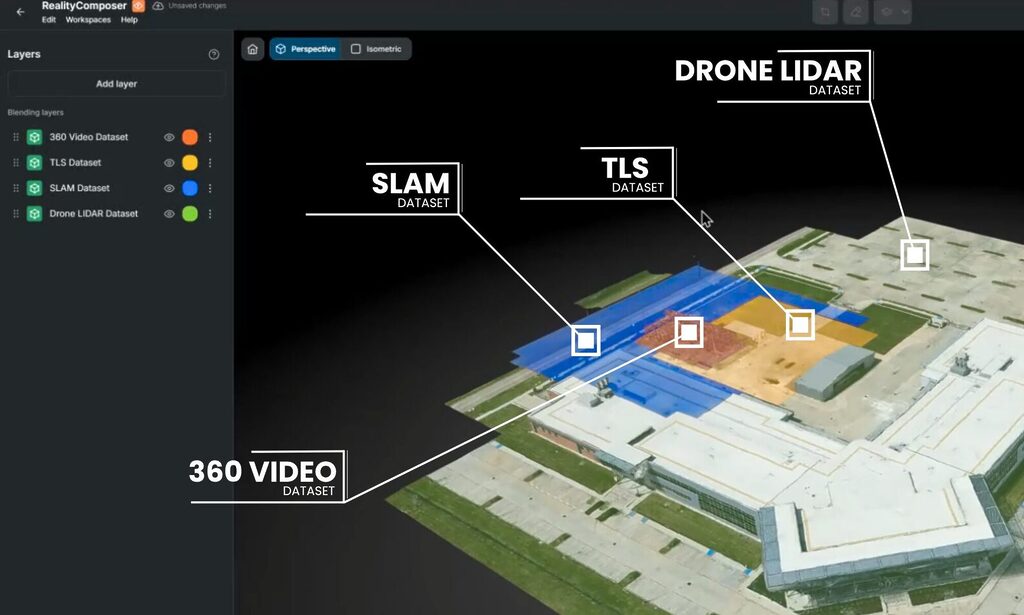
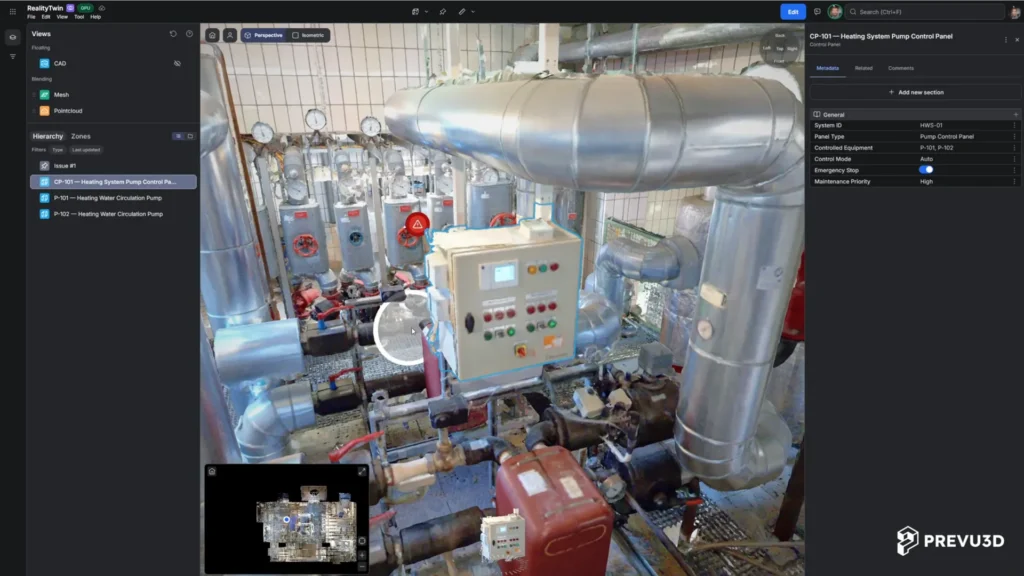
For fast, low-barrier documentation across hundreds of stations, DB Systel’s teams often start with 360° video, which almost anyone can capture with an affordable camera, or even a phone camera, with no specialized training required. For higher-stakes or more complex sites, this gives way to more detailed LiDAR-based capture.
Matching the tool to the task, rather than defaulting to the most sophisticated option available, is part of what makes adoption feel manageable rather than overwhelming.
We primarily use 360° capture to create fast, scalable digital coverage and enable quick implementation of the right use cases. The key is not to use the most sophisticated technology available, but the one that delivers the value people actually need.
— Andrea Burda, Consultant, DB Systel GmbH
None of this is about the tool being clever, but more so about people trusting that it makes their day easier, not harder, and that’s a much more human problem than most technology conversations give it credit for.
Want the full conversation? Join Andrea Burda and Prevu3D’s Elle Magni live for The Human Side of Digital Transformation. Register here →
Can’t make it live? Register anyway, we’ll send you the recording. Save your spot →